
Moving to Paducah, KY: Essential Relocation Guide
Relocation, Paducah Relocation, Moving To Paducah
What to Know Before Moving to Paducah, KY
Considering Paducah relocation and wondering what life is really like along the banks of the Ohio River? From the Paducah cost of living to local neighborhoods, jobs, and lifestyle, this guide walks you through the essentials of moving to Paducah so you can decide whether this creative river city is the right fit for your next chapter.
Why Paducah Is on So Many Relocation Shortlists
Moving to Paducah, KY appeals to people who want small-city convenience with a surprising amount of culture. Known as a UNESCO Creative City for its strong arts and quilting heritage, Paducah offers walkable historic districts, riverfront views, and a friendly, community-driven feel that many big metros have lost. For remote workers, young professionals, empty nesters, and families, Paducah relocation often means trading congestion and high housing costs for a slower pace and more space—without giving up good restaurants, live music, or outdoor recreation.
Before you commit, it helps to understand how Paducah stacks up on affordability, neighborhood options, the Paducah job market, and everyday lifestyle. The sections below break down each of these so you can plan a move with realistic expectations instead of surprises.
Paducah Cost of Living: Affordable, With a Few Trade-Offs
One of the biggest reasons people consider moving to Paducah is its affordability. Multiple recent analyses show the overall Paducah cost of living sitting roughly 9–14% lower than the U.S. average, depending on the source. Housing is the standout: estimates suggest it is around 19–30% less expensive than national norms, with median home values near $164,600 and median rents around $817 per month, well below typical U.S. figures (CostToLive.com, CostOfLivingData.com).
For renters, recent data from Apartments.com shows one-bedroom apartments averaging about $931 per month, two-bedrooms around $1,015, and three-bedrooms near $1,331, with rents rising only modestly—about 1.8% year over year. Zillow reports average rent across all property types at roughly $1,400 per month, still attractive compared with many mid-sized cities. For buyers, lower home prices can make it feasible to own instead of rent, or to upgrade to more space than you might afford elsewhere.
It’s not all discounts, though. Utilities in Paducah tend to run 12–24% higher than the national average, with energy costs noticeably above both state and national levels. That means budgeting carefully for heating and cooling, especially in older homes. On the other hand, groceries and food are generally 5–28% lower than U.S. averages, and transportation costs come in around 10% cheaper, helping offset those higher utility bills (RentCafe, Redfin, PayScale, Apartments.com).
💡 Pro Tip: When planning Paducah relocation, run a personal cost-of-living comparison using your current city, including rent or mortgage, utilities, groceries, and commuting. Many households find their total monthly expenses drop, even after accounting for higher energy costs.
Understanding Paducah Neighborhoods Before You Choose an Address
One of the smartest moves when relocating is getting familiar with local neighborhoods. Paducah neighborhoods range from historic districts with tree-lined streets to newer subdivisions near golf courses and shopping. The city and mapping resources identify more than 50 distinct areas, including Carson Park, Cherokee, Circle Lake, Country Club, Forest Hills, Midtown, Downtown Paducah, Lower Town, Northside, and a variety of Southside communities (zipdatamaps.com, paducahky.gov).
If you’re drawn to historic charm, the Northside Residential District and areas like Lower Town and Fountain Avenue may appeal. Northside has earned a place on the National Register of Historic Places, reflecting preserved architecture and a strong sense of character. These neighborhoods often attract artists, professionals who appreciate walkable streets, and buyers looking to restore older homes with personality.
On the Southside, Paducah is actively investing in revitalization. A multi-year plan, launched in late 2025, focuses on eight Southside neighborhoods, offering grants and incentives for homeowners and developers to rehab properties and encourage new residential construction. Phase I alone includes more than 1,000 properties, including around 400 vacant parcels, signaling long-term potential for buyers willing to invest in up-and-coming areas (City of Paducah Planning Department).
Exploring several Paducah neighborhoods in person helps match streets and schools to your lifestyle.
For golf and suburban-style living, neighborhoods near Paxton Park or the Country Club offer larger lots and a quieter feel. Midtown and Downtown Paducah provide quicker access to restaurants, shops, and the riverfront, ideal if you prefer to be close to events and nightlife. Before moving to Paducah, use the city’s “Which Neighborhood is Mine?” interactive tool and downloadable maps to understand boundaries, then schedule a scouting trip to see how each area feels at different times of day.
The Paducah Job Market: Opportunities and Realities
A key part of any Paducah relocation decision is whether the local job market lines up with your career. The Paducah metropolitan area has seen gradual employment growth, adding roughly 763 jobs between 2024 and 2025, with average gains of about 73 jobs per month over the past five years (FRED, USAFacts). As of spring 2026, unemployment tends to hover in the mid-4% range—around 4.3–4.6%—signaling a labor market that’s neither overheated nor deeply distressed (BLS, YCharts).
The Paducah job market leans heavily on sectors like transportation and material moving (about 11.9% of local employment), office and administrative support (11.7%), and food preparation and serving (11.1%). Construction and extraction jobs represent 6.1% of employment—higher than the national share—with mean hourly wages around $29.02. Higher-paying roles cluster in management (about $52.33/hour), architecture and engineering (around $47.05/hour), and healthcare practitioners and technical occupations (roughly $46.39/hour) (BLS Occupational Employment and Wages, 2026).
Overall average hourly earnings in Paducah, at about $27.91, trail the national average of $33.54. That means salaries may be lower than what you’re used to in larger metros—but remember that the Paducah cost of living is also significantly lower. For many professionals, especially those able to work remotely for employers in higher-cost regions, this gap can work in their favor, allowing them to enjoy lower daily expenses without sacrificing earning power.
Looking ahead, one of the most important developments for the Paducah job market is the planned Paducah Laser Enrichment Facility (PLEF), a $1.76 billion project announced in 2026. This facility is expected to re-enrich more than 200,000 metric tons of depleted uranium under a federal contract and should create new opportunities in engineering, construction, technical operations, and maintenance. While not all roles will be open immediately, it’s a strong signal of long-term investment in the region’s economy.
💡 Pro Tip: If your move depends on local employment, start your Paducah job search early. Research major employers, check sector-specific openings (healthcare, logistics, construction, education), and consider whether remote or hybrid work could expand your options.
Everyday Paducah Lifestyle: What Living Here Really Feels Like
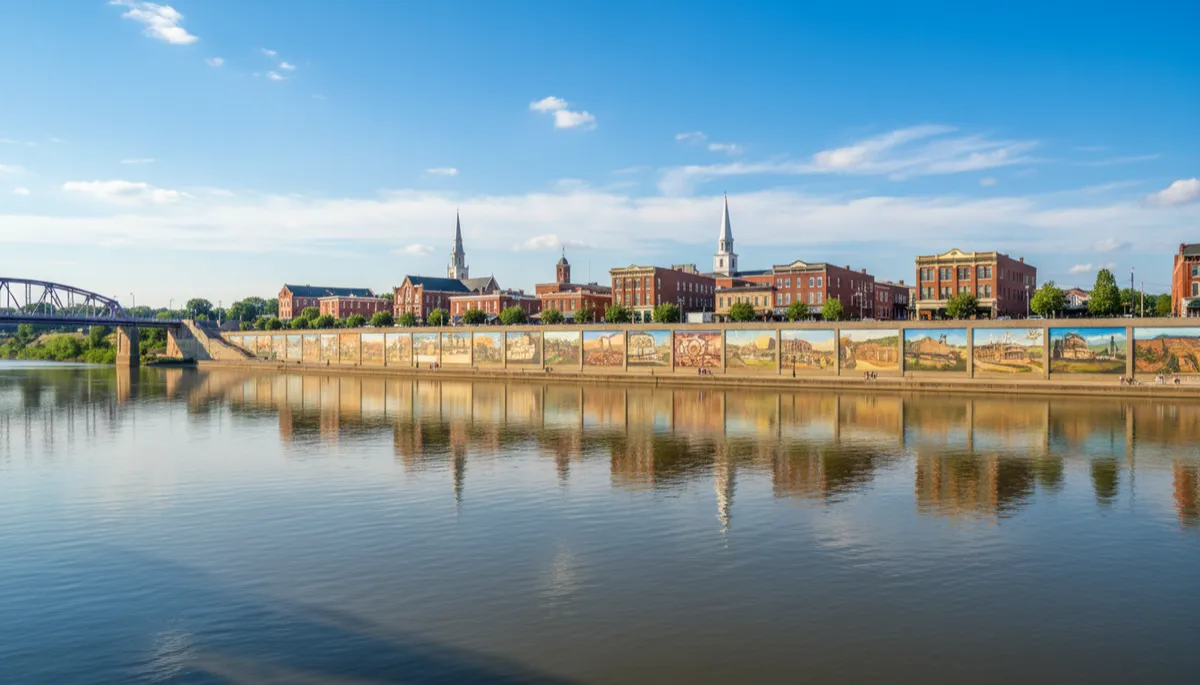
Beyond numbers, the Paducah lifestyle is what ultimately convinces many people to stay. As a river city, Paducah offers scenic views, a charming downtown, and a calendar full of festivals and community events. The historic Lower Town Arts District, the National Quilt Museum, and regular gallery walks highlight the city’s creative side and its UNESCO Creative City designation. If you enjoy live music, local art, and independently owned shops and cafés, you’ll find plenty of ways to fill your evenings and weekends.
Outdoor enthusiasts benefit from Paducah’s proximity to water and green space. The riverfront and nearby lakes support boating, fishing, and paddling, while parks and trails make it easy to get outside without leaving town. Families often appreciate the manageable traffic, relatively short commute times, and the ability to get across the city quickly for school, sports, or errands. Compared with life in a major metro, many new residents describe the Paducah lifestyle as “less rushed” and more community-oriented, with frequent chances to run into familiar faces at local events or farmer’s markets.
Of course, moving to Paducah also comes with trade-offs. While the restaurant scene is growing, you won’t find the sheer variety of dining and nightlife options you might be used to in a large city. Specialized healthcare or niche professional services may require trips to larger hubs. Air travel options are more limited, so frequent flyers should factor in drive time to bigger airports. If you thrive on anonymity or constant big-city buzz, Paducah’s more intimate pace might take adjustment.
Practical Tips for a Smooth Paducah Relocation
Once you’ve decided that moving to Paducah is worth exploring, a few practical steps can make your transition easier:
Visit in person if possible. Spend a weekend exploring Paducah neighborhoods, touring rentals or homes for sale, and driving your potential commute at rush hour.
Build a realistic budget. Use current data on the Paducah cost of living—rent or mortgage, utilities, groceries, transportation, and healthcare—to estimate your monthly expenses, then compare that to your expected income.
Research schools and services. If you have children, review local school options and after-school programs. Also look into healthcare providers, gyms, childcare, and any specialized services you rely on.
Connect with locals. Join Paducah-focused social media groups, community forums, or professional associations. Residents can offer candid insight into the Paducah lifestyle, from favorite neighborhoods to which streets flood in heavy rain.
Plan your move logistics. Decide whether you’ll hire movers or rent a truck, and consider timing your move to avoid major events or extreme weather. If you’re starting a new job, aim to arrive a week or two early to get settled.
Is Moving to Paducah, KY Right for You?
Deciding whether Paducah relocation is the right move comes down to your priorities. If you value affordability, a slower pace, and strong community ties, Paducah has a lot to offer. The Paducah cost of living is well below national averages, particularly for housing and food, and the city’s creative culture and riverfront setting give it a distinctive personality for its size. For remote workers or those in in-demand fields like healthcare, construction, logistics, and engineering, the Paducah job market can be a solid match—especially with major projects like the PLEF on the horizon.
On the other hand, if you need a highly specialized career niche, rely heavily on big-city amenities, or prefer dense urban living, you may experience some trade-offs after moving to Paducah. Understanding those trade-offs in advance is the best way to avoid disappointment and make informed choices about where to live, work, and play within the region.
Ultimately, the decision to move is personal. Use the information here—on Paducah neighborhoods, the Paducah job market, cost of living, and overall Paducah lifestyle—as a starting point. Then layer in your own priorities: proximity to family, career goals, desire for space or walkability, and appetite for a tight-knit community. With clear expectations and a bit of upfront research, moving to Paducah, KY can be the beginning of a more affordable, grounded, and creatively rich way of life.

